

2·
14 days agoI mean currency as in paper money.

Explicate the inexorable, fucker.
I mean currency as in paper money.

moon shaped pies
So the pies are spheroid?
Back when my family still spoke to me I ended up having to spend one Christmas in a lockdown psychiatric facility. Couldn’t even contact them. My life is pure chaos and it’s only getting worse. The part I fear the most is that I’m only middle-aged.
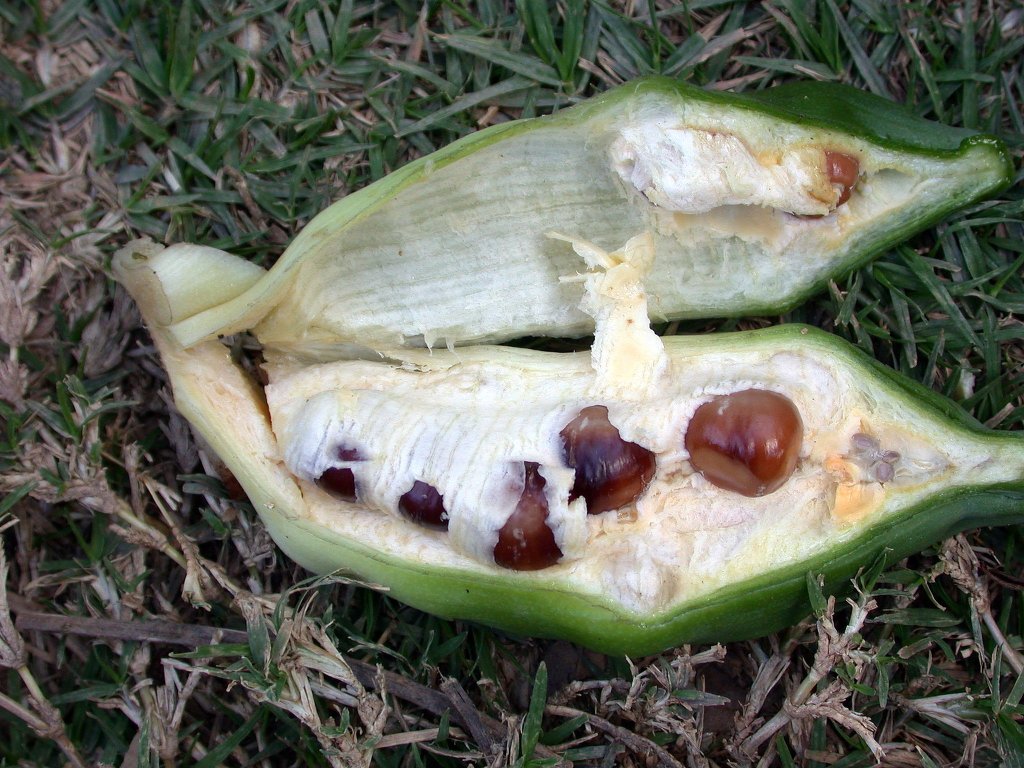
Apparently looks like this.
I was gonna say they’re: “Spelled differently (true) and are distinct, unrelated materials (false!)”. So I ended up correcting myself.
Silicone is literally made from silicon. Manufacturing starts with silica (SiO₂, found in sand/quartz), which is reduced to elemental silicon, then reacted with methyl chloride to form methylchlorosilanes, which are then polymerized into silicone.
The name “silicone” was actually coined in 1901 by English chemist Frederick Kipling, who thought the compounds R₂SiO resembled ketones (hence “-one” suffix): the naming turns out to be a bit of a misnomer chemically, but it stuck.
Nice pun salvo.
This person does it. Overdoing it being the enemy of consistency is the most important takeaway.
I try to simplify everything by working up to six sets of ten (I’m basic) until exhaustion but with low weights. Then next time I increase the weight slightly. As your endurance slowly builds you can add more exercises to your routines. You’ll eventually learn about cycling muscle groups to let them build on off days.
Also creatine monohydrate is an option as long as it’s from a brand that gets their purity and potency verified by a respected third party lab (USP, NSF, etc). It’s been shown to help build strength/power as well as muscle-mass benefits in aging populations with strong, high-confidence data. Cognitive benefits are also plausible and mechanistically sensible (creatine plays a role in brain cellular energy metabolism), but the certainty is only low-to-moderate. Plus if you’re investing in a supplement you’ll want to get the maximum benefits from it so it’ll help motivate you.
Specify that I wish to personally kill the first person to legally change their name to Rumplestiltskin Elizondo Jones III at a time of their own volitional choosing. I would then legally change my name to such and live as an immortal until such time that I decide to die. People talk about healthspans but what amount of suffering could possibly be worse than nonexistence?
Why corvid let horse do a big warm lick when it’s being an endothermic reptile? excessively smug evolutionary biologist

I had a similar idea when I read that some huge percentage of data on the Internet now is just reposts of screenshots. Some redundancy is good (e.g. genetics) but it’s hell for compression.

I’ll recommend The Drifter (thumbnail) for its very good story, cool UI, beautiful pixel graphics, and melodious Aussie full voice cast. Being inspired by the point and clicks of old it inevitably had a couple confusing spots, but a fun and unique time to be sure.

So 360° then?
If they were meant to be cleaned it wouldn’t be easier to just replace them.
I believe there are several anarchist communities, so it’s not a contradiction if that was your intent. Can’t tell.
Ru suggesting each subsequent punch isn’t raising the stakes?!
Media has to meet people where they are I’m afraid. Also as awards shows become increasingly popularized it becomes even harder to find original art. All the moreso for series.
Well put!
I see, like a heat pump.
Whoa season 4?! Yay: Wednesday August 5th, nice! Thx



No the Ultimate Warrior’s bicep ribbons were a different color. Couldn’t be him.